
Research & development
Full-stack engineering, developed in-house
Every HIYIP product begins in our own engineering group. Acoustic chambers, DSP programming, and mechanical architecture are designed together, so a tuning decision is tested against the enclosure and driver it will ship with.
Prototypes move between measurement, listening review, and structural revision until the acoustic target and the mechanical build agree.
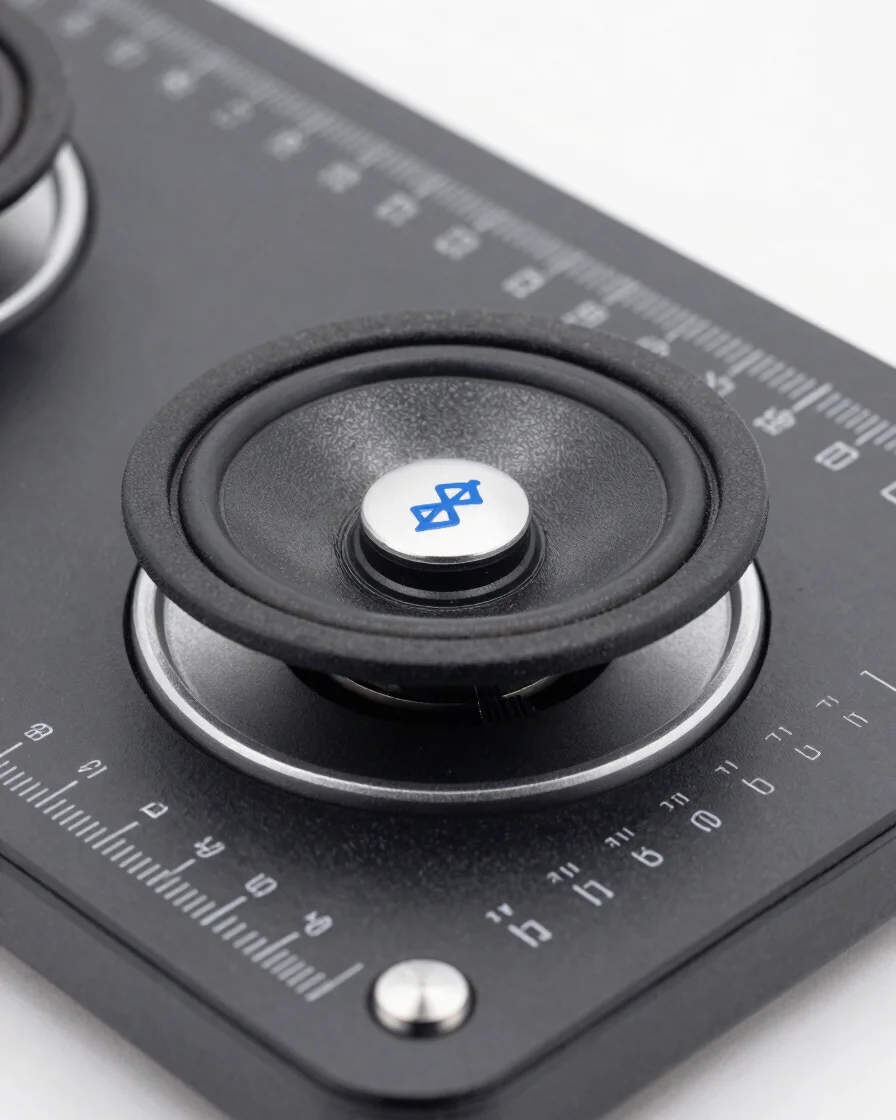
Engineering domains
Three disciplines, one development team
Acoustic tuning, Bluetooth algorithms, and hardware development share one project schedule and one set of requirements.
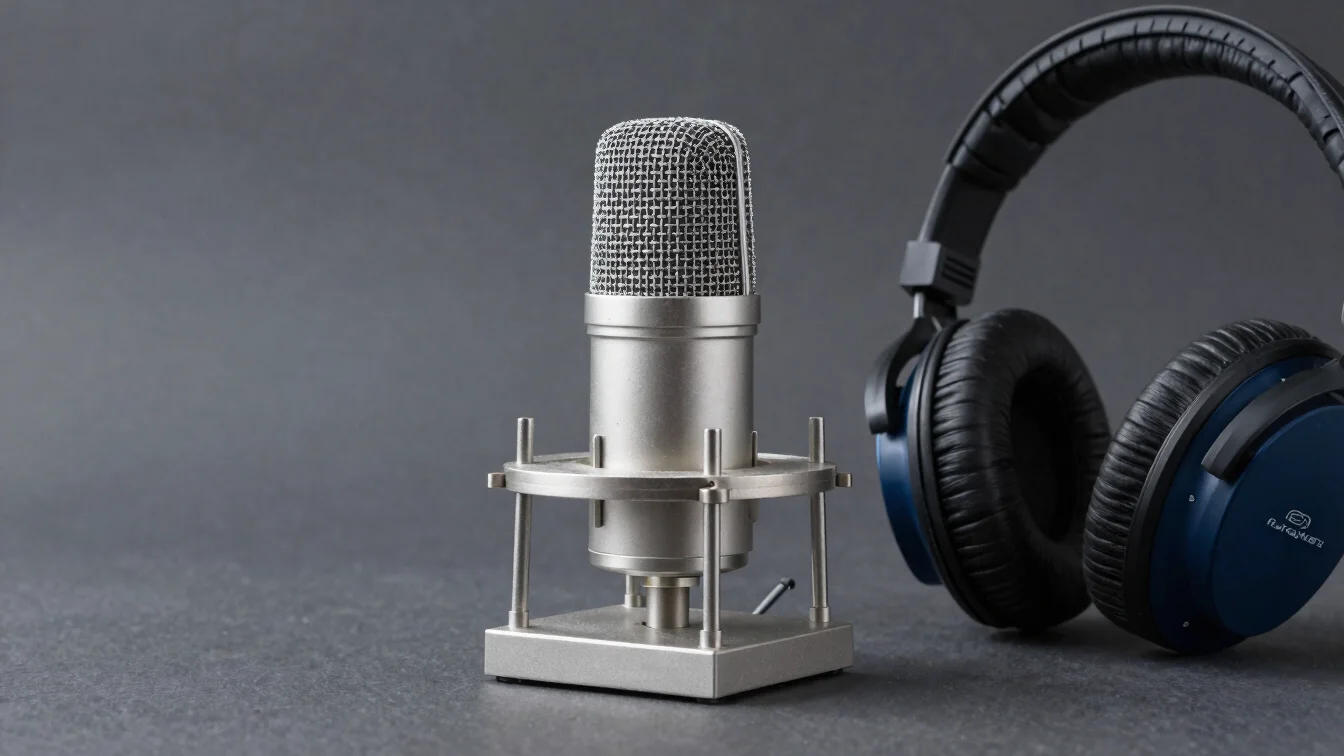
Acoustics
In-house acoustic tuning
Frequency response, driver matching, and chamber design are verified in our lab before any tooling is committed.
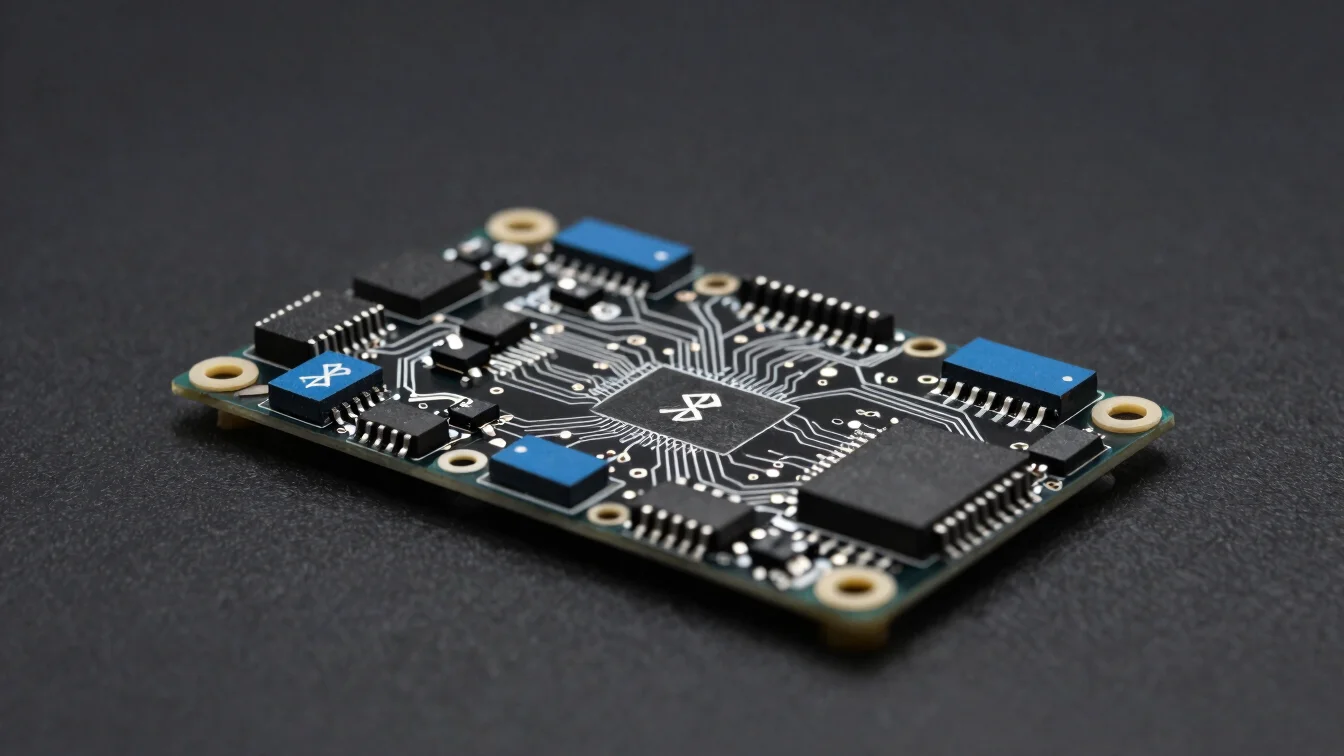
Wireless
Bluetooth algorithm optimization
Our Bluetooth stack and connection logic are developed and tuned internally, covering pairing behavior, latency, and signal stability.
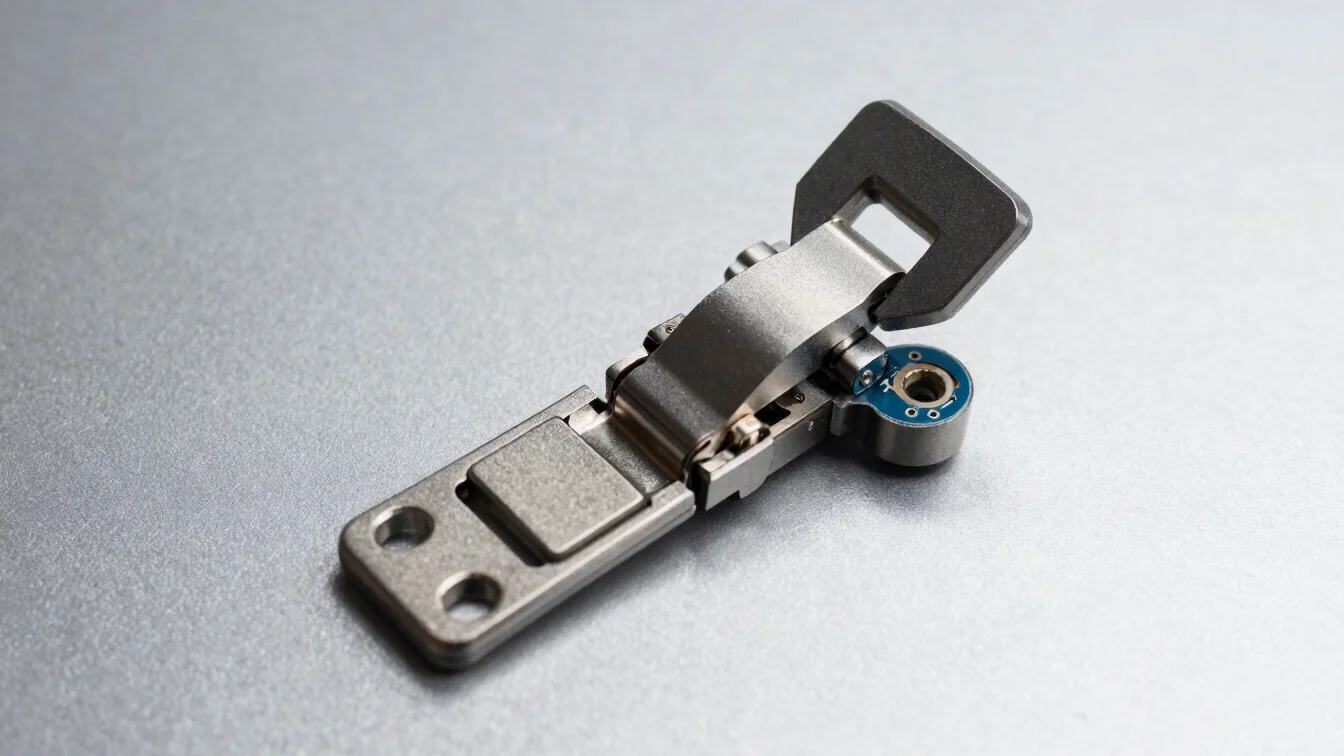
Hardware & structure
Structural, PCB, and firmware design
Mechanical structure, electrical hardware, and embedded software are developed together to keep the finished product consistent.
ODM customization
From requirement to validated tooling
01
Requirement definition
We review target acoustic curves, form factor, materials, and certification scope together before design begins.
02
Acoustic prototyping
Prototypes are measured and tuned in our chambers, then revised against the agreed target response.
03
Engineering validation
Structure, hardware, and firmware are verified as an integrated unit, with test results shared at each review.
04
Tooling validation
Production tooling is checked against the approved samples before the first standardized production run.